The Global Voice of ESG & Impact Investing
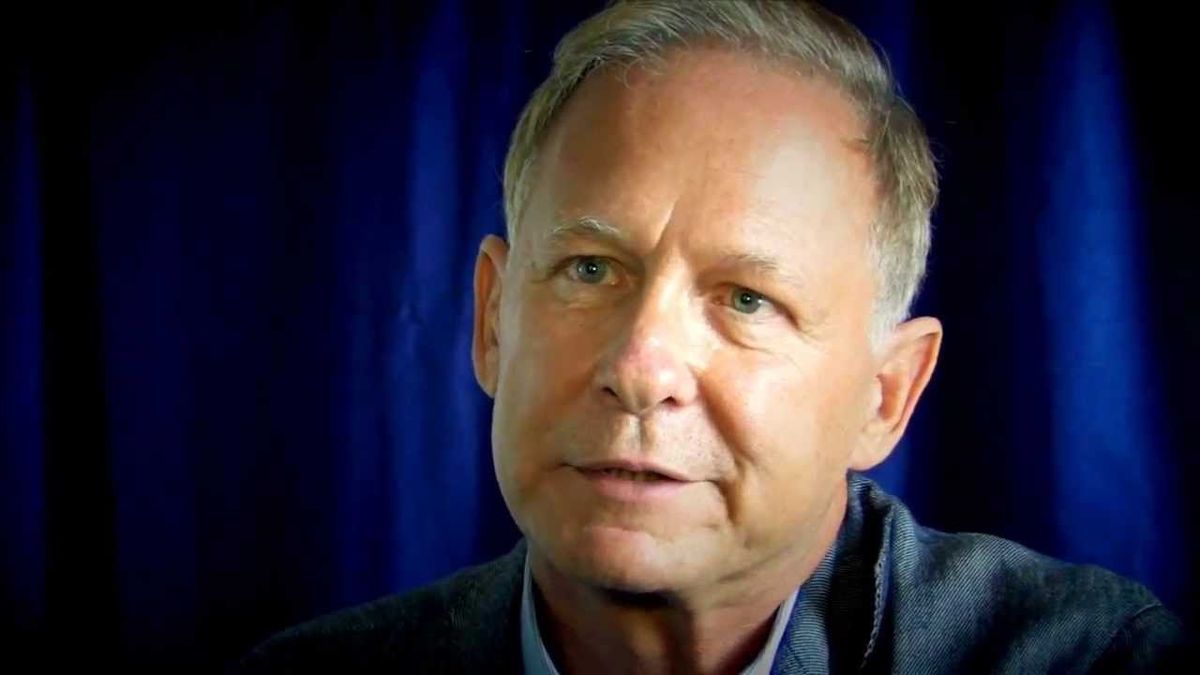
Lessons learned from 50 years of Impact building /w Wayne Silby
What does it take to build a conscience into the financial system — and then do it all over again in China?
In this TBLI Talk, Robert Rubinstein sits down with Wayne Silby, one of the most consequential pioneers in the history of impact investing. In 1982, when colleagues told him he was "on drugs," Wayne co-founded the Calvert Social Investment Fund — the United States' first socially responsible mutual fund. The industry he helped create now manages trillions. He is still at the frontier, now working to build the impact ecosystem in China.
His radical truth: a core vision combined with grassroots effort can still change the world — but only if you are willing to be the only yes vote in the room.
In this episode:
- How to start and build an impact investing fund from scratch — lessons from five decades at the frontier
- What inspired the creation of the world's first socially responsible mutual fund — and what almost stopped it
- How SRI evolved into ESG, and what the next iteration of impact investing will look like
- Why Wayne has spent years building the impact and CSR ecosystem in China — and what he has learned
The key insight: At 27, Wayne realised his tombstone would read that he earned 0.20% more for investors than others. That didn't sit well with him. So he built something different — a fund that represented the values of a generation. That instinct to ask "what is this money actually for?" is still the most radical question in finance.
👤 About Wayne SilbyWayne Silby is the co-founder of Calvert Investments, one of the first and largest socially responsible mutual funds in the United States, and is considered one of the early pioneers of impact investing. In 1982, inspired by a Buddhist conference on "Right Livelihood," he co-founded the Calvert Social Investment Fund — the first socially responsible mutual fund — which was also the first fund to divest from apartheid South Africa and the first to file shareholder resolutions on gender and racial parity in boardrooms. He is also co-founder of Calvert Foundation, a $300 million nonprofit lender, and founding chair of ImpactAssets. He holds a BS in Economics from the Wharton School and a JD from Georgetown University Law Center.
For anyone serious about the history, present, and future of impact investing- this episode is essential listening.
ABOUT TBLI RADICAL TRUTH Real experience. Real results. No greenwashing. TBLI Group is the world's leading ESG and impact investing network — educating, advising, and connecting investors for 25 years.🌐 tbligroup.com

Stop networking. Start connecting.
Most events are full of people handing you business cards they'll never follow up on.
TBLI Connect is different.
The people in this room aren't there to pitch you. They're there because they're genuinely curious, deeply experienced, and building something that matters. They'll challenge your thinking, open unexpected doors, and actually remember your name next week.
This is where careers accelerate — not because someone handed you a referral, but because you found your people.
One conversation at TBLI Connect can change your trajectory.
We've seen it happen. Every. Single. Time.
👉 Join us July 31st — seats are limited and they go fast.
🔗 Register now: https://luma.com/hrkij9je
If you're serious about surrounding yourself with the right people, not just successful people, but generous ones, this is the most valuable hour you'll spend this summer.
See you there. Tag someone who needs to be in the room. ⬇️
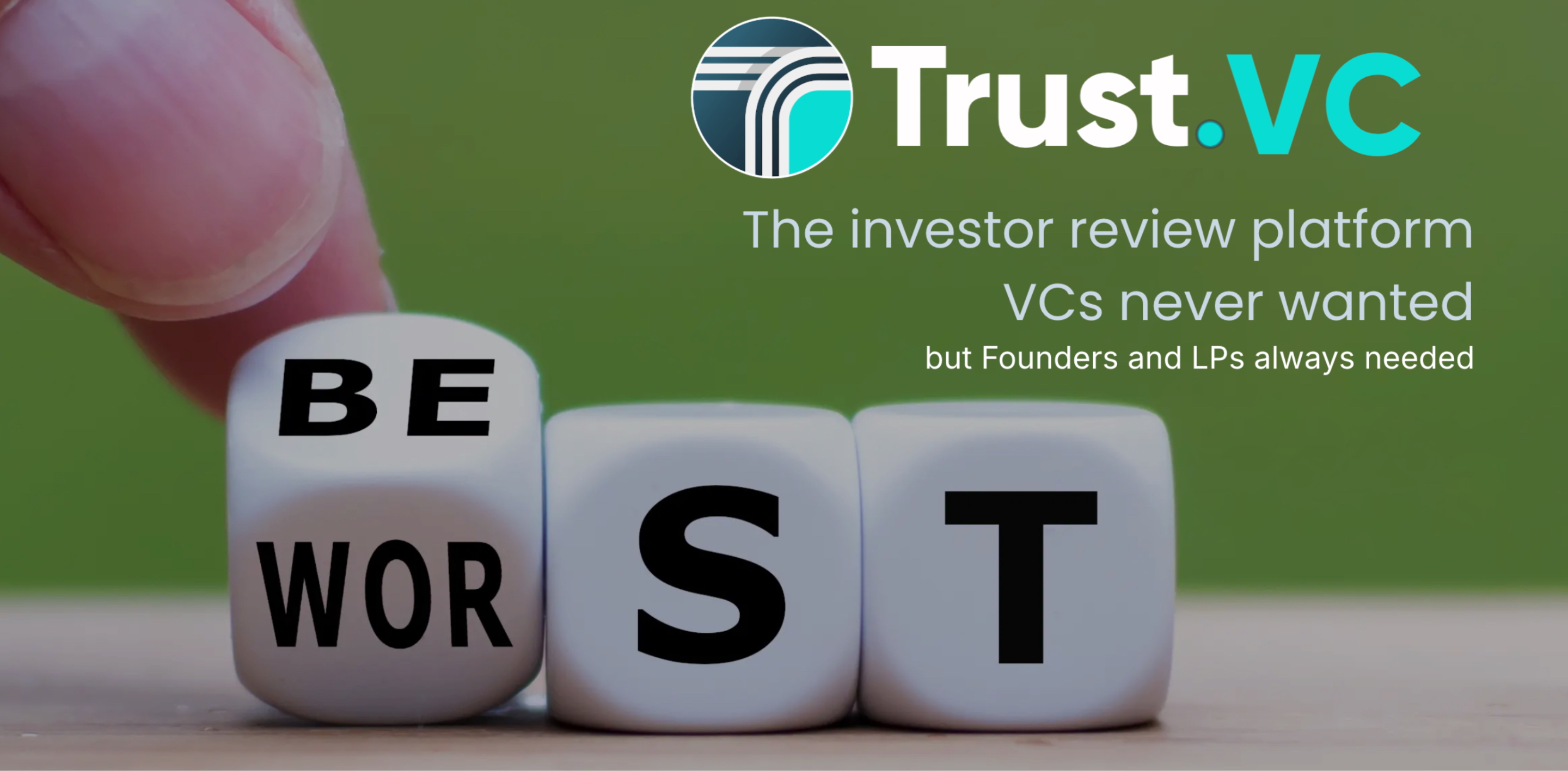
Founders get ghosted. LPs find out too late.
For 40 years, venture capital has been a one-way mirror — investors rate founders, founders stay quiet, and the same bad actors keep raising new funds.
TrustVC flips the glass.
It's the first open platform where founders rate the investors who sat across the table from them. The ghosters. The term-sheet retraders. The board-seat bullies. All on the record.
For LPs, that means red flags before the capital call — not after. For founders, it means the whisper network finally has receipts.
👉 trustvc.org — leave a review, or forward this to a founder who has one to leave.
#TrustVC #FounderFirst
|
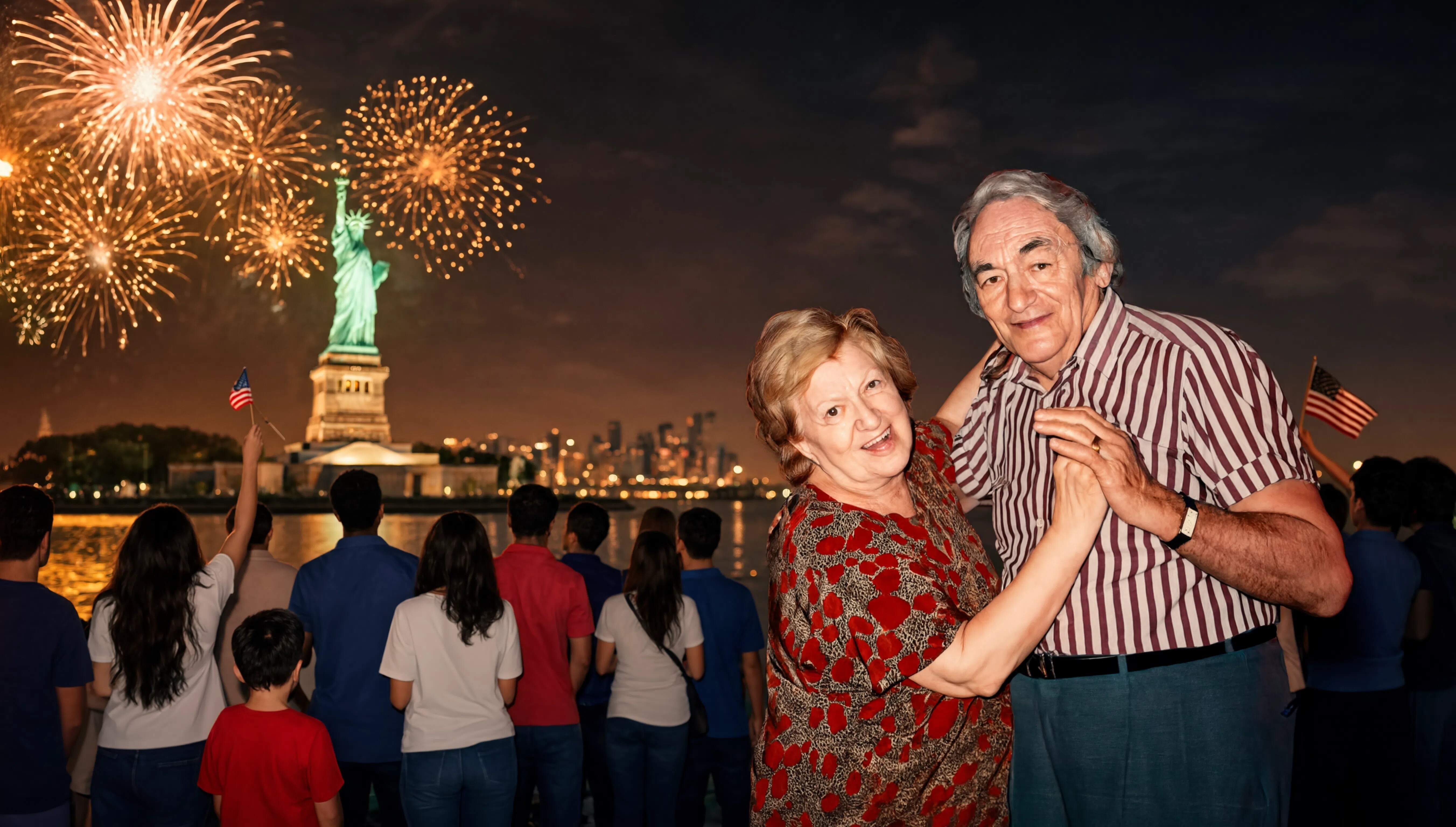
Happy Birthday, USA!
Thank you for embracing my parents and family.
Two hundred and fifty years. That's the number they'll put on the cake. Fireworks, flags, a president somewhere saying something. But numbers don't mean anything until you put a person next to them, and I've got two: my parents.
They were Jewish, French, and marked for death, which in the 1940s was the same sentence. When the roundups came, they ran. Not metaphorically, actually ran, on foot, over the Pyrenees, in winter, because the front door of Europe had been nailed shut and the only way out was up and over a mountain that didn't care whose side it was on. Snow doesn't check papers. Cold doesn't ask if you're innocent. They just had to get through it, and they did.
Spain took them in for a while, not out of love, but because that's where the mountain put them down. Then Palestine, before it was Israel, when it was still a promise more than a country. Then, finally, America. Brooklyn, to be exact. A walk-up somewhere, a neighborhood full of other people's accents, the particular music of a place where everybody had come from somewhere else and was trying to become something new.
My mother used to say the best thing about America wasn't the size of it, or the money, or the skyline. It was that you could walk down the street. Just walk. Don't look over your shoulder. Not listen for boots. Not to wonder if a knock on the door at night was the police or worse. In Brooklyn, a street was just a street. You could be bored with it. You could be late for something on it. Nobody was going to shoot you on it or arrest you for the crime of existing. That was the whole miracle, and she never stopped marveling at it, because she knew the way only someone who's lost it can know that it is not the normal condition of the world. It is a gift. It has to be built, and guarded, and it can be taken away.
They built a life here. Not a fairy tale, a real one, with rent to make and English to learn and a country's worth of small humiliations to swallow along the way. There was hardship. There was joy anyway, which is the harder trick. There was family, the loud kind, the kind that argues over the table and shows up at the hospital anyway. There was, eventually, happiness, not as a reward for suffering, but just because they were alive and free and the street outside was safe to walk on.
I think about that a lot this year, the 250th, the big round number. America has never been finished. It wasn't finished when it let my parents in, and it isn't finished now. It has been cruel to plenty of people who had every right to expect better from it, and it has also been, for two exhausted refugees from a mountain crossing, exactly safe enough to raise a family on. Both of those things are true at once. That's the country. Not a myth, not a slogan, a work in progress with the scaffolding always up.
What I want, on the anniversary, isn't nostalgia. It's the thing my mother actually asked for, without ever phrasing it as a demand: that anyone, anywhere, gets to walk down their own street without fear. Not just the ones who made it here. Everyone. That the joy she found, and the justice she was promised, isn't rationed out to whoever crossed the right mountain at the right time in history, but is simply what a street is supposed to feel like, everywhere, for everybody.
That's the anniversary gift I'd actually want. Not a parade. Just a street, safe enough to be boring, for the next family walking it for the first time.
And to everyone out there doing the unglamorous work of trying to bring a decent quality of life to the vast majority, the teachers, the organizers, the nurses, the people fixing roads and writing policy, running food banks, and just showing up for their neighbors. I wish you great strength. It is hard work, it is slow work, and most of it goes unthanked. But it's the only thing that has ever actually made America work for all. Keep going.
Thank you and Happy Birthday
👉 Follow Robert Rubinstein
|

Deutsche Bank Invests in Sustainable Aviation Fuel with Lufthansa
 Kenny Fisher Kenny Fisher
Deutsche Bank announced a new agreement with Lufthansa group to invest in the deployment of sustainable aviation fuel, as part of its strategy to reduce the climate impact of business travel.
Under the new agreement, Deutsche Bank will invest in approximately 1,600 metric tonnes (2 million liters) of SAF. The companies said that the transaction will enable Lufthansa to reduce fuel lifecycle carbon emissions by approximately 5,500 metric tons compared with conventional jet fuel, equivalent to the CO₂ emissions of approximately 520 flights between Frankfurt and London.
Read Full Article
 Mark Segal Mark Segal
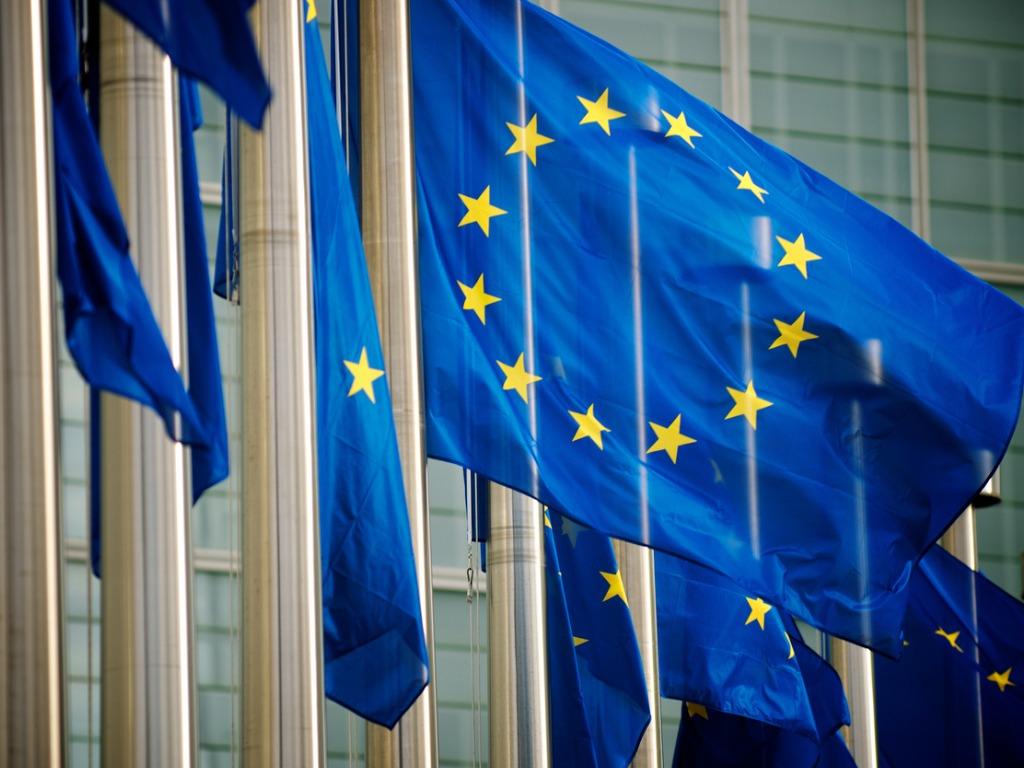
The European Commission announced on Friday the adoption of the finalized revised European Sustainability Reporting Standards (ESRS) for companies covered by the EU’s mandatory Corporate Sustainability Reporting Directive (CSRD) and its voluntary reporting standard for smaller companies.
The adoption of the new standards may form the final major step in the Commission’s initiative to simplify sustainability reporting requirements for companies under its Omnibus I initiative, launched early last year. The delegated acts underlying the new standards will be transmitted to the European Parliament and Council, and enter into force if neither legislative body objects.
Read Full Article
Private capital committed to nature grew fivefold in a decade. The bigger change is in the deals themselves: managers now combine timber, carbon, and ecosystem-service income on the same ground, and a few have rebuilt their funds to hold land for the long term.
By Daniel Dun, Senior Advisor
Natural Capital Investing: The Multi-Revenue Model
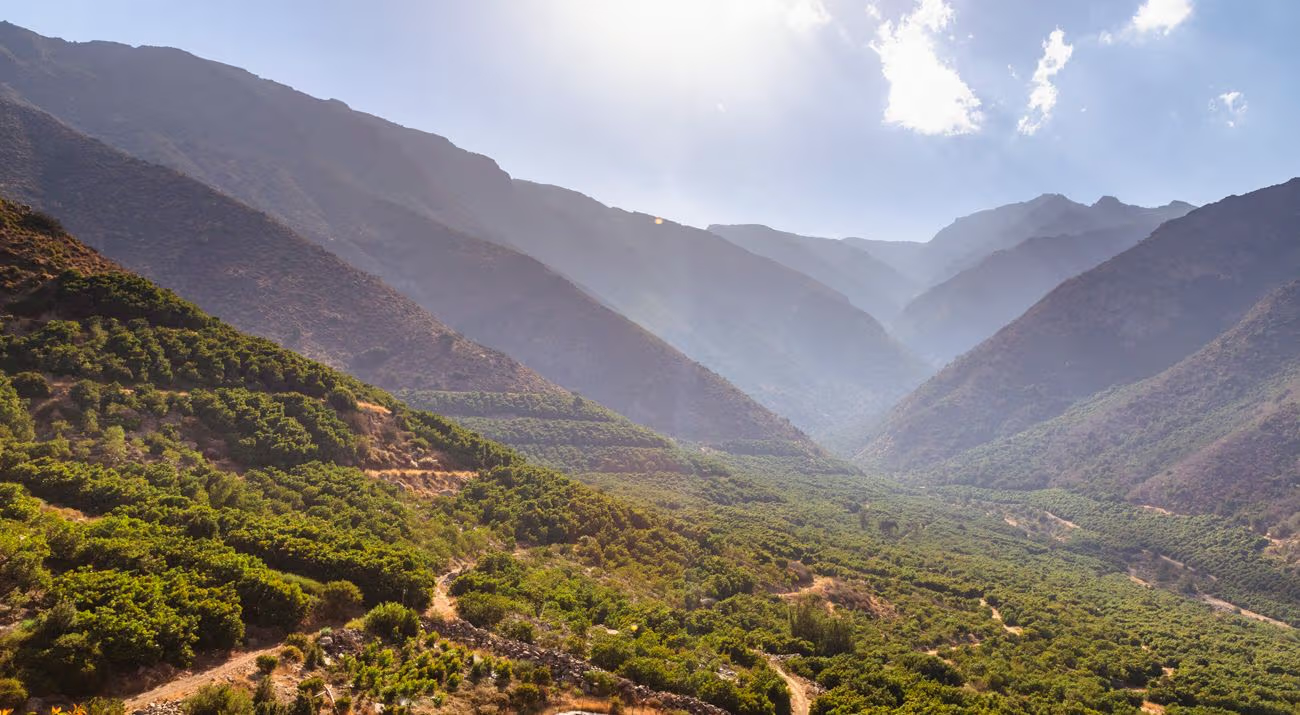
Private capital committed to nature grew fivefold in a decade. The bigger change is in the deals themselves: managers now combine timber, carbon, and ecosystem-service income on the same ground, and a few have rebuilt their funds to hold land for the long term.
Aurora Sustainable Lands is one of the ten largest private landowners in the United States, with roughly 1.65 million acres across fifteen states. It also harvests its forests at a deliberate loss. Aurora logs at levels that would not cover its operating costs on their own. The business works because the trees left standing earn carbon revenue, which Aurora sells as improved-forest-management credits to buyers including Microsoft and TotalEnergies.
The company has flipped the usual order of a timberland investment. A conventional timber fund logs for profit and treats any carbon income as a bonus. Aurora runs it the other way around: carbon pays the bills, and timber is the backstop. That choice shapes how the land is managed, how long the investment is held, and which investors are willing to fund it. As one Aurora executive puts it, harvesting below commercial rates is what makes the carbon credits credible, because no purely timber-driven owner would leave that much wood standing.
Read Full Article
|