-1.png)
Naveena Sadasivam Senior Staff Writer
 |
|
Tuesday, April 21, 2026 |
|
Author: Robert Rubinstein If you have difficulty reading this email, click here |
|||||
The Global Voice of ESG & Impact Investing |
|||||
|
|||||

Remembering Prof. S. Prakash Sethi: The Moral Titan and TBLI Hero Who Taught Us How to Fight
The Man Who Refused to Let Corporations "Grade Their Own Homework"
A TBLI Hero: The Frankfurt Defense (2005)
A Decade of Resilience
His Final Audit
|
|||||
|
Less than One month away! You can check out the agenda here, a great line up of speakers:
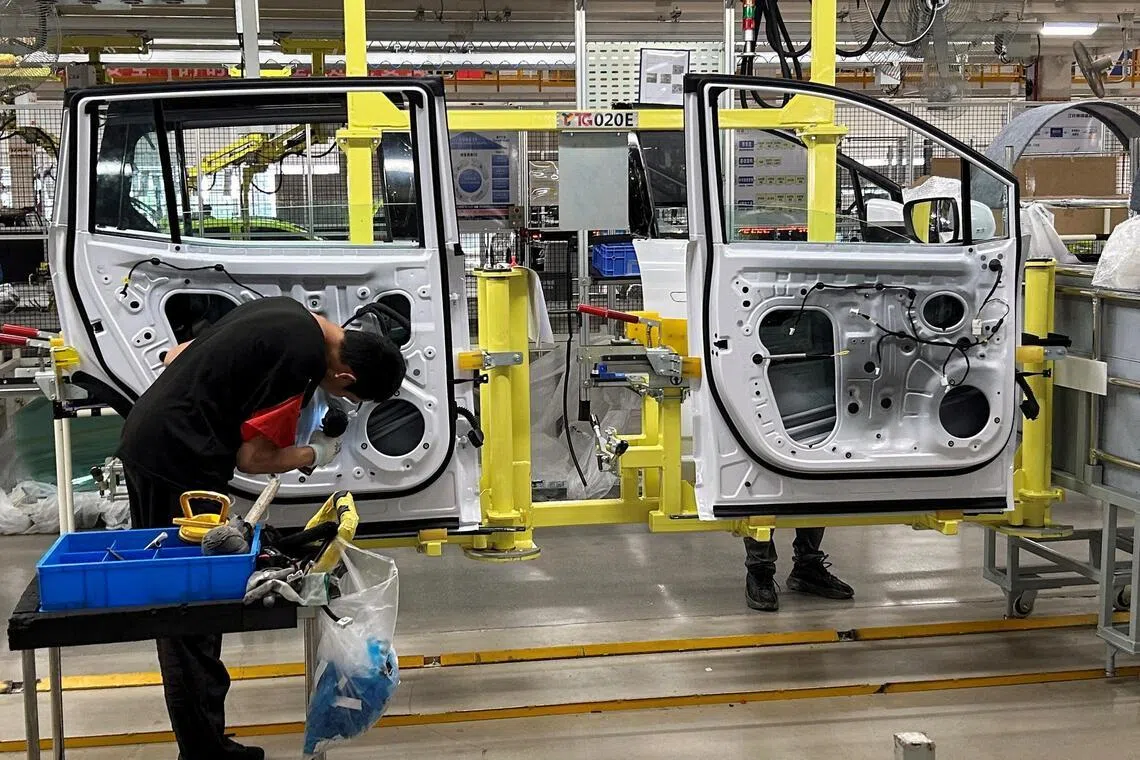
PHOTO: REUTERS China’s clean tech exports jump as Iran war spurs demandShipments of EVs from China saw a 53 per cent increase in March, along with a notable increase in shipments of lithium-ion batteries. China’s clean tech exports jump as Iran war spurs demand BEIJING - China’s exports of clean technology climbed in March, reinforcing signs that manufacturers are benefiting from rising global demand for alternative energy sources as traditional supplies are roiled by the Iran war. The most notable growth came in shipments of lithium-ion batteries and electric vehicles, with an annual increase of 34 per cent and 53 per cent, respectively, according to data released by China’s General Administration of Customs on April 18. Solar cells also saw 80 per cent growth in March. All three exports rose from February levels as well. The data gives the first comprehensive picture of China’s clean tech exports since the US and Israel launched attacks against Iran seven weeks ago, effectively shutting the Strait of Hormuz and sparking a global energy crisis. The disruptions caused by the conflict have heightened the issue of energy security for countries reliant on fuel imports and sent consumers and industries hunting for alternatives. “This is just the beginning, the knock-on effects of high energy prices will be unfolding for months to come,” said senior analyst Euan Graham from UK-based think-tank Ember.
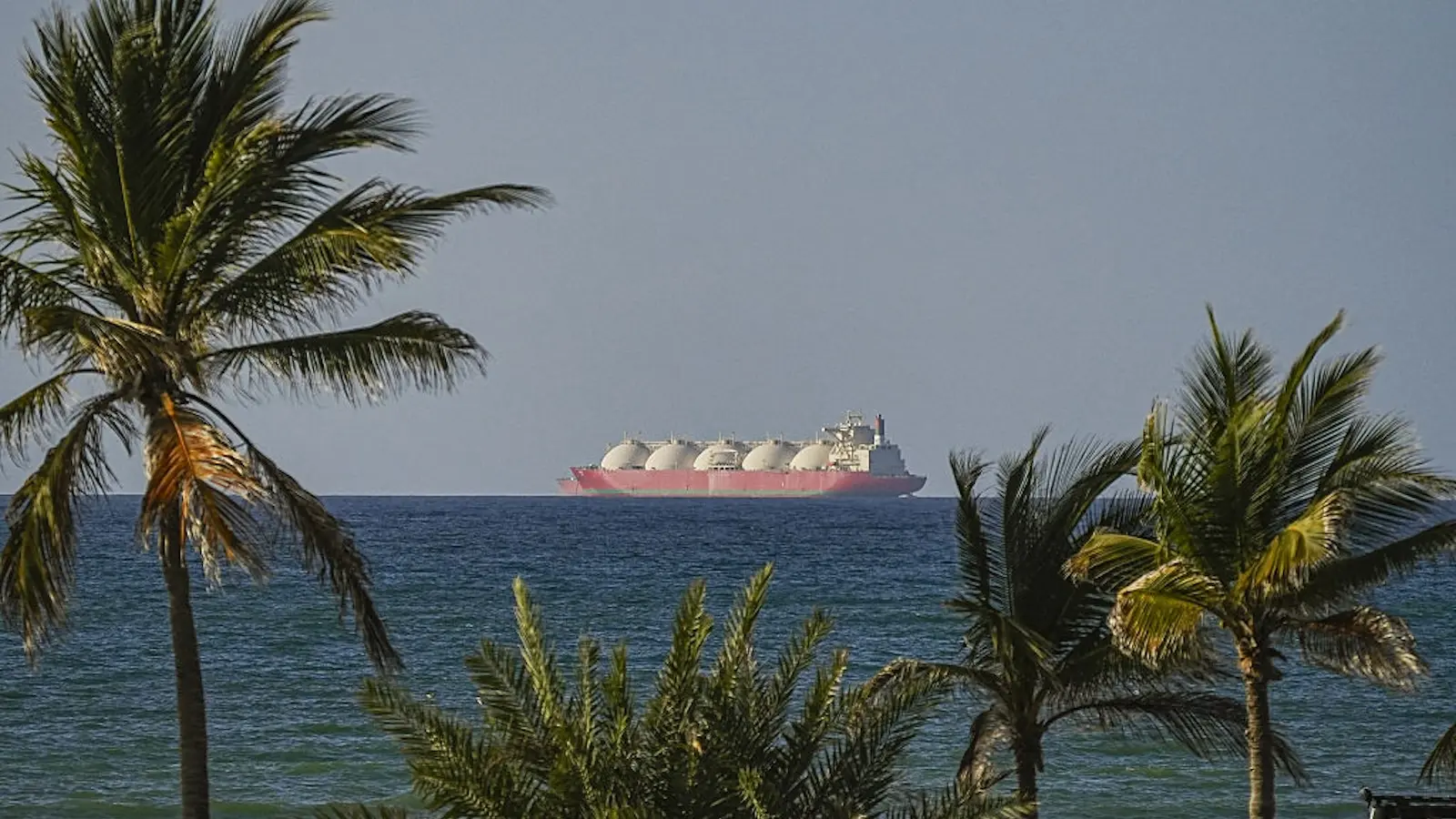
Shady Alassar / Anadolu via Getty Images The world desperately needs to decarbonize shipping. Can nations find a consensus?The shipping industry is responsible for 3 percent of global climate emissions. The Trump administration and the Iran war are complicating efforts to clean it up. The shipping industry has been facing an acute crisis. For the first time in modern history, both of the Middle East’s critical waterways — the Strait of Hormuz and the Red Sea — were effectively closed for the past several weeks. Since early March, as Iran and Houthi rebels threatened ships attempting to cross these waterways and blocked the movement of oil in response to U.S.-Israel bombing, crude oil prices have soared. Maritime fuel costs in turn rose so sharply that some biofuels are now cheaper. And more than 150 ships were marooned, unable to safely pass through the Strait, which carries 20 percent of the world’s oil supply. Others have been making long detours around the southern tip of Africa, adding to the mounting cost of shipping and weeks of travel time. After briefly reopening the Strait, Iran seized the waterway once again over the weekend, restricting ships from passing. It’s under these conditions that the International Maritime Organization, or IMO, the United Nations agency overseeing global shipping, is meeting this week to discuss reducing the climate change impact of the shipping industry, which is responsible for 3 percent of the world’s greenhouse gas emissions. For the last three years, the 176 countries that are members of the IMO have been working toward adopting the so-called net-zero framework, an international policy requiring shippers to pay a fee for every ton of greenhouse gas emissions above a certain threshold. These proceeds would then be used to drive the development of alternative, cleaner fuels and support lower-income countries. But last summer, just as nations were nearing a vote to formally adopt the framework, the Trump administration threw a wrench in those plans. Secretary of State Marco Rubio, along with the heads of other agencies, released a statement warning countries that voting for the framework would result in a number of punitive actions by the United States, including visa restrictions, additional tariffs, and port fees. Seemingly overnight, countries that were previously in favor of the net-zero goal seemed to lose their nerve. And at an October meeting where the framework was expected to be adopted, countries voted instead to delay the decision by at least a year. In the months since, technical work has continued, but the political backing required to adopt the international agreement has largely dissipated. The consensus that once seemed within reach has fractured. “The Iran war has certainly complicated things,” said Evelyne Williams, a research associate with the Center on Global Energy Policy at Columbia University. “It’s tricky because if the U.S. does want to kill this thing, it has considerable leverage in its LNG market to threaten countries.”
The Green New Deal has evolved. Now it’s all about ‘affordability.’Kate Yoder Senior Staff Writer Eight years ago, three little words took hold of the environmental movement: Green New Deal. Part popular slogan, part political philosophy, the phrase described a sweeping agenda to create jobs, advance social justice, and combat climate change through major public investment inspired by the New Deal of the 1930s. The term made its way from hats and protest signs to the halls of power, where it shaped local and national policy. Progressives even pressured future president Joe Biden to adopt plans to address the crisis in the lead-up to the 2020 election. Congress eventually whittled his ambitions down to the Inflation Reduction Act, a package of green tax credits and incentives that became the nation’s first comprehensive climate policy. That is, until Republicans dismantled the law last year. Under President Donald Trump, the national policy wins Democrats had scored by leveraging the Green New Deal’s momentum all but vanished. The party was left soul-searching, wondering how it should talk about climate change, or if those calling for solutions should even talk about it at all. Progressives seem to have settled on an answer: Make everything about affordability. A new climate agenda released Wednesday by the Climate and Community Institute, a left-leaning think tank, aims to lower costs for everyday people through home insurance rate caps, bans on utility shutoffs, and other measures. It promotes “green economic populism,” a framework to provide relief for the working class through policies that also happen to cut carbon emissions (such as free transit or a moratorium on data centers), while regulating the corporations contributing to climate change and the cost-of-living crisis. The architects of the so-called “working-class climate agenda” say they’ve learned lessons from the Green New Deal and the Inflation Reduction Act: One lacked political will, while the other failed to deliver tangible results to working-class voters quickly enough. “I think we’re all hugely inspired by the Green New Deal, and the Green New Deal moment, and what that represented,” said Patrick Bigger, research director at the Climate and Community Institute. “But I think that we recognize that we’re in a radically different place, politically, socially, economically now than we were eight years ago.” American voters have declared, in poll after poll, that their top concern is paying the bills as food, housing, and health care become more expensive. But many of these rising household costs are related to climate change. Because heat waves diminish harvests, and extreme weather leads to spikes in energy prices and home insurance rates, climate advocates are connecting the dots. An analysis the Brookings Institution released last year found that the effects of a warming world — including the health costs of wildfire smoke and flooding — are costing the average household somewhere between $219 and $571 a year. As the war in Iran drives up fuel prices, revealing the economic fragility of the nation’s dependence on oil, it creates a unique opportunity to advance the new agenda, said Daniel Aldana Cohen, a sociologist at the University of California, Berkeley, and founding co-director of the Climate and Community Institute: “It should be easier than it’s ever been before to say, ‘Fossil fuels are unreliable. They drive up your cost of living. They cause wars and people die. And if we make a green transition, that will make everyday life better for working people who are struggling.’” The agenda was also inspired by the mayoral campaigns of Zohran Mamdani in New York City and Katie Wilson in Seattle, both of whom won elections last year with populist platforms focused on affordability. Like the Green New Deal, green economic populism also seeks to mobilize massive investments in communities, infrastructure, and industry. In the medium-term, that means rolling out technologies that can cut household expenses alongside fossil fuel use, like heat pumps, induction stoves, and electric vehicles — and making them accessible to the working class, unlike Biden’s EV tax credits that were taken advantage of mainly by the wealthy.
|
|||||
|
TBLI Group Herengracht 450, 1017 CA Amsterdam, The Netherlands |