Nobody Wants to Know If Their Donation Worked | Julie Davitz
Most impact investing is just traditional finance wrapped in virtuous rhetoric—promising systemic change while demanding the exact same extractive returns. Julie Davitz breaks down why billions allocated for good are failing to move the needle and how true catalytic capital must fundamentally rewrite the rules of risk and return. Julie Davitz, Founder and CEO of Plus Purpose and renowned impact investing strategist, pulls back the curtain on how capital allocators mistake ESG compliance for genuine systemic impact. She reveals the operational disconnect between high-net-worth donors, family offices, and frontline enterprises that actually generate measurable social and environmental outcomes. Viewers will walk away with an unvarnished blueprint for evaluating authentic impact, structuring blended finance, and holding capital accountable to real-world outcomes.
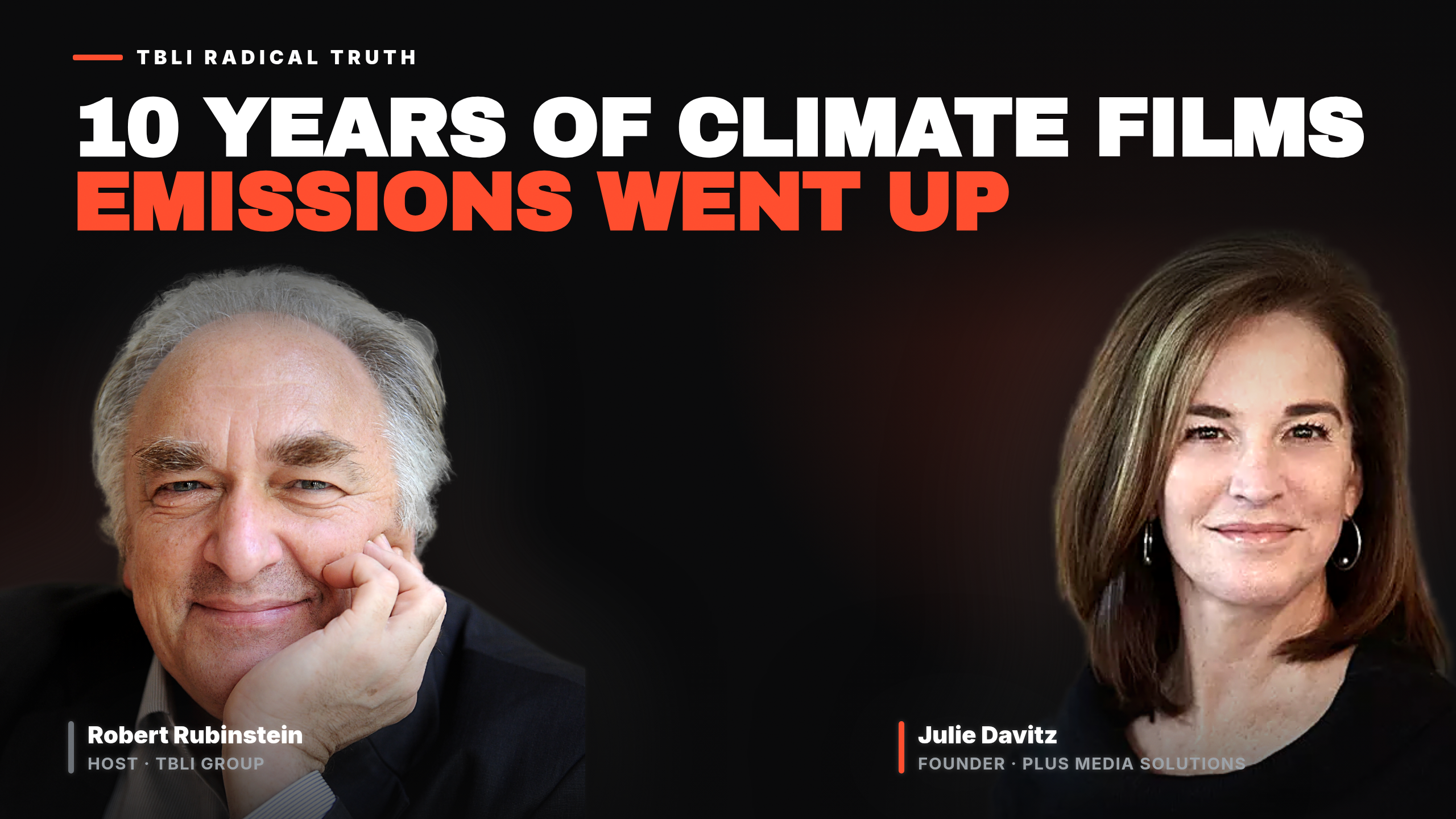
Julie Davitz is the founder and CEO of Plus Media Solutions and the former Head of Impact Solutions at BNP Paribas and Bank of the West. She built a platform that puts a QR code or a tap prompt in front of the credits, hands the viewer an action hub, and measures anonymously what that audience actually does next. In this conversation with Robert Rubinstein she names the dark side of philanthropy and impact investing: donors, funds and studios who would rather not know whether their money or their content changed anything. She explains why awareness raising is finished as a strategy, why fear of failure keeps donor-advised funds in the dark, and what the data says about which stories move people and which ones leave them hopeless. If you give, invest or produce content for a cause, you will leave knowing what to demand as proof.
🔗 Connect with Julie Davitz
• Website: https://www.plusmedia.solutions/ • Linkedin: https://www.linkedin.com/in/julie-davitz/
ABOUT THE TBLI RADICAL TRUTH PODCAST
Most finance podcasts protect the industry. Radical Truth interrogates it.
I'm Robert Rubinstein. For 30 years TBLI Group has been the world's leading ESG and impact investing network. Every week on this show, one unfiltered conversation with someone actually moving capital toward a liveable future, and no polite silence about the ones only claiming to. No sponsors. No pretending.
TBLI GROUP
This is Radical Truth.
Radical Truth Podcast Link
Radical Truth Youtube Link
THERE'S NO PIPELINE.
The champion. The excuse that kills more good projects than any market force on earth.
"We would love to invest more in impact. There's just no pipeline."
There is a pipeline.
It runs directly past your office. It has been full for twenty years. It is full of people who cannot get a meeting with you, because they are busy doing the actual work.
This has been Words That Mean Nothing. I'm Robert Rubinstein.
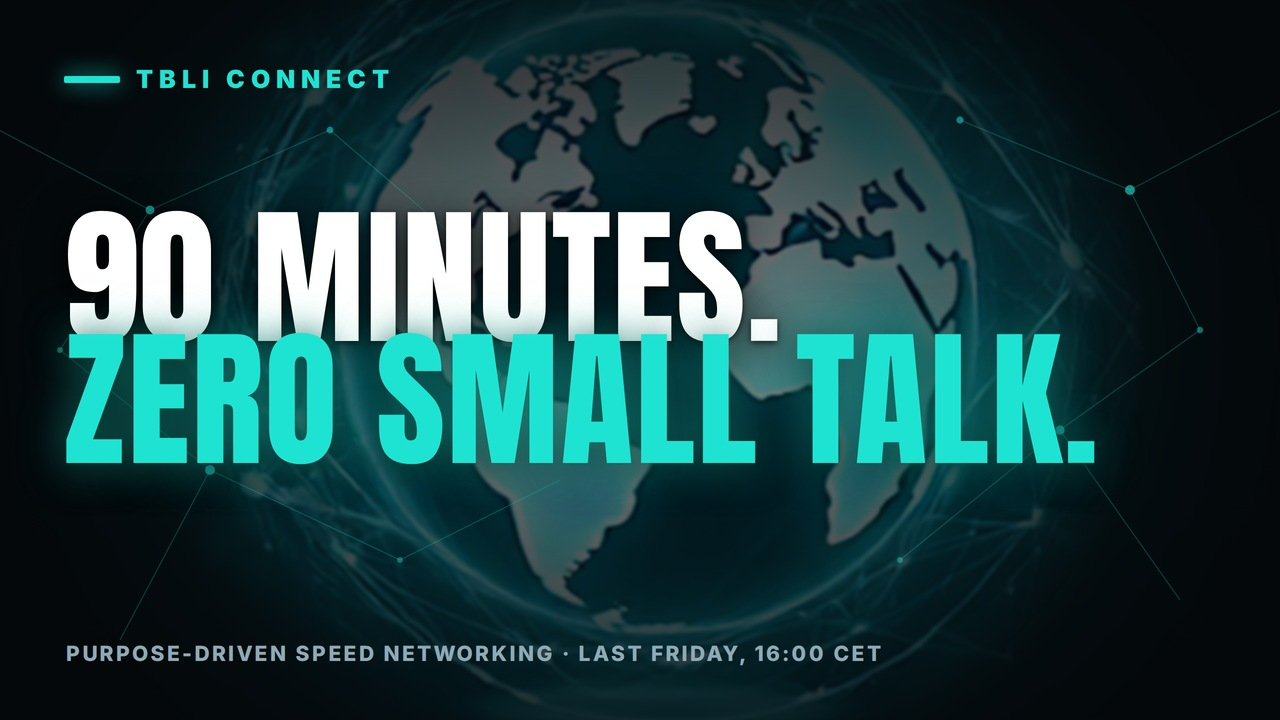
TBLI Connect: what networking looks like when nobody is selling
Most networking events are full of people pitching. TBLI Connect isn’t.
On Friday 27 November, from 16:00 to 17:30 CET, we’re hosting an online speed networking session for people working in sustainable finance, impact investing and purpose-driven business.
Our matchmaking system pairs you with values-aligned peers for short one-to-one conversations. Nobody pitches, so you can talk about what you’re working on, what you need and who you should meet.
You don’t have to travel. You join from your desk and leave with new connections.
Tickets are €15 and places are limited.
👉 Register: https://luma.com/8bynqugf

TBLI Open mic: 60 seconds of fame November 30 at 17:00 CET
TBLI is hosting an open mic and networking event. Showcase your talents, share ideas, or make announcements. You have 60 seconds to engage the audience. Connect and express yourself. Don't miss out!
Reserve your Free Spot |
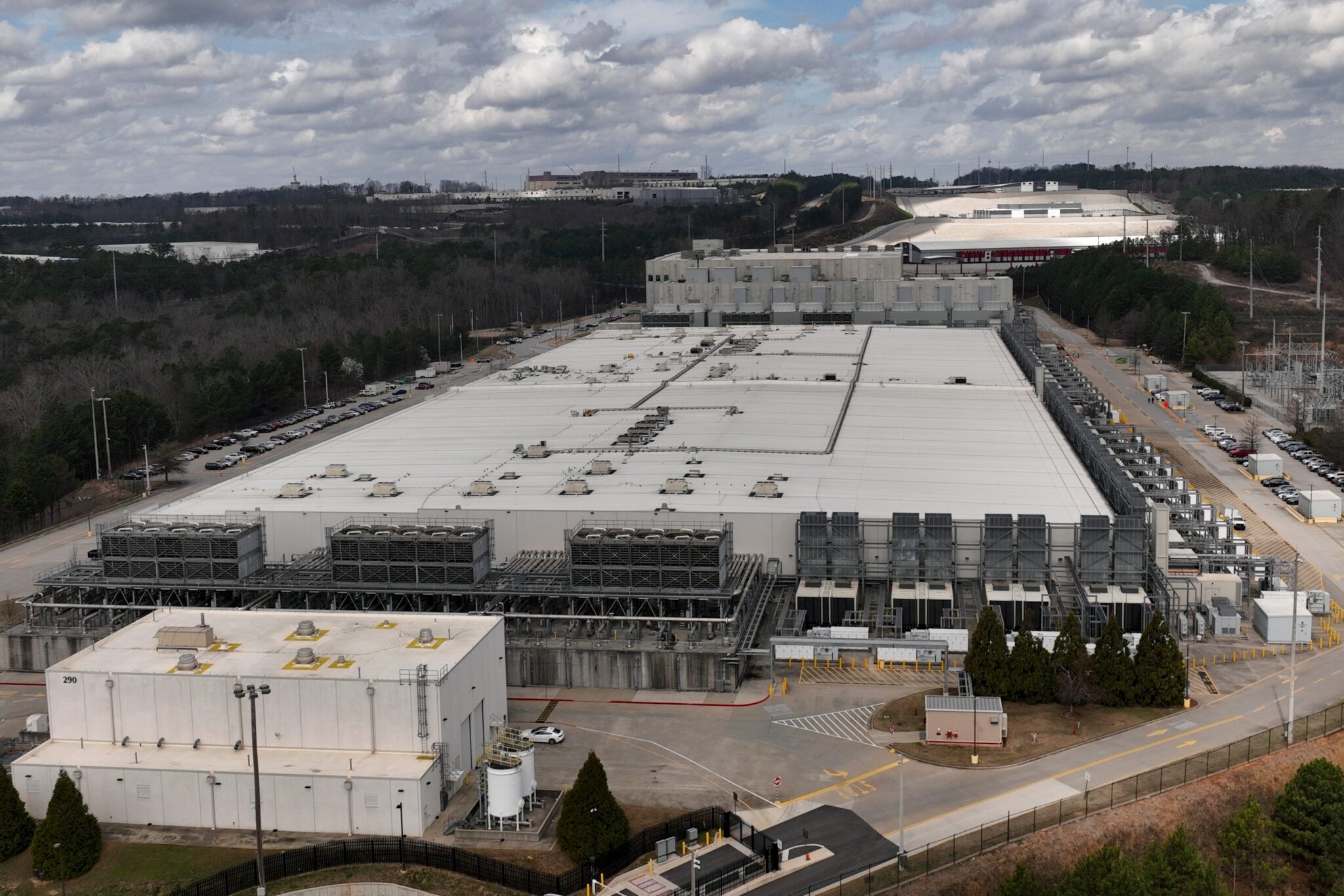
The Douglas County Google Data Center complex is seen, Friday, March 6, 2026, in Lithia Springs, Ga. (AP Photo/Mike Stewart, File)
Voters overwhelmingly rejected data centers in the midterms – here’s where developers will have a tough time
November 6, 2026
BySean Wolfe
Data centers were a hot topic on the midterm ballots this week, with dozens of ballot measures aiming to limit their development passing across the country.
As electricity prices rise and ratepayers face increased uncertainty surrounding the effect data centers will have on their bills, voters overwhelmingly chose to limit or outright ban data center development in their localities when the option was on the ballot. Several states also elected or re-elected governors who campaigned on the promise to limit or ban data center development, offering an additional pathway through state legislatures to achieve similar goals.
Here’s where midterm voters landed on the data center question this year, and what’s next for the massive data center pipeline in the U.S.:
Data centers on the ballot
Voters in California, Florida, Illinois, Kansas, Maine, North Dakota, New Jersey, Nevada, Ohio, and Wisconsin saw data center-related measures on their ballots this week, with 41 local ballot measures scheduled for November 3. Ohio alone accounted for 21 of those measures across 18 jurisdictions, per Ballotpedia.
Read Full Article
By Lewis Jackson, Valerie Volcovici and Simon Jessop
BEIJING/WASHINGTON DC/LONDON, Nov 6 (Reuters) - (This Nov 6 story has been refiled to add reporter bylines.)
China sent $132 billion in clean technology and investment to the developing world last year, by far the largest contribution to carbon-dioxide reduction of any country.
In fact, the nation’s green-manufacturing juggernaut, built in part through heavy subsidies from Beijing, nearly matches the current total of grants, loans and private finance that all wealthy countries sent to poorer ones in 2024 to help fight climate change, according to a Reuters analysis.
Those loans and grants stemmed from a climate-finance program the world’s wealthiest nations agreed to at a 2009 United Nations climate conference on the premise that industrialized nations made outsized contributions to the climate crisis – and had outsized means to help poorer countries pay to clean it up.
A Reuters investigation in 2024 found that most global climate finance comes in the form of loans – and sometimes at market interest rates that funnel billions of dollars back to rich countries.
China took a different approach, funneling billions in subsidies into its own green-energy industries, serving its own national interest to dominate next-generation manufacturing domestically and globally.
The result: massive and rapid market-share gains in solar panels, batteries and battery minerals, electric vehicles, wind turbines and other green products.
Read Full Article
|