|
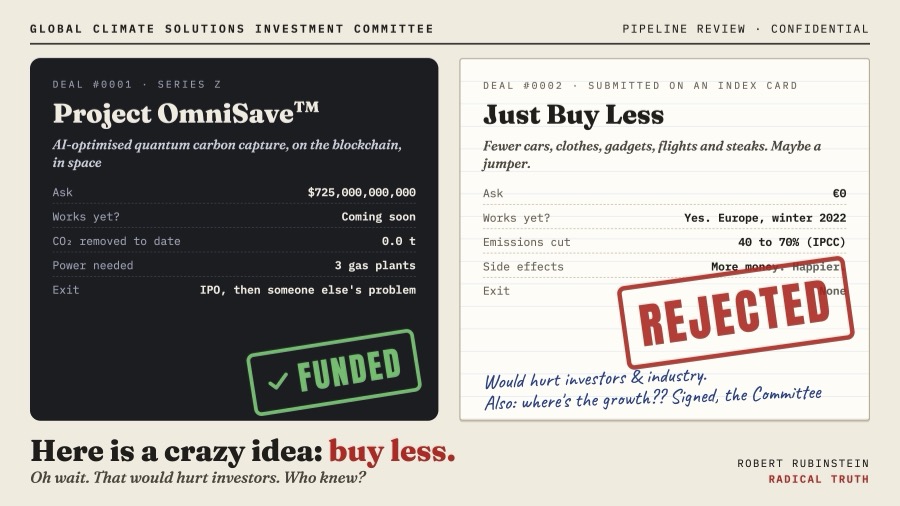
AI Generated Claude
Here Is a Crazy Idea to address Climate Change: Buy Less
I have a climate solution. It is radical, untested at scale, and I am slightly nervous about sharing it, because once it is out there I cannot take it back.
Here it is.
USE LESS STUFF!
I know. Take a moment. Sit down if you need to. Somebody fetch the man from McKinsey a glass of water.
The technology pipeline
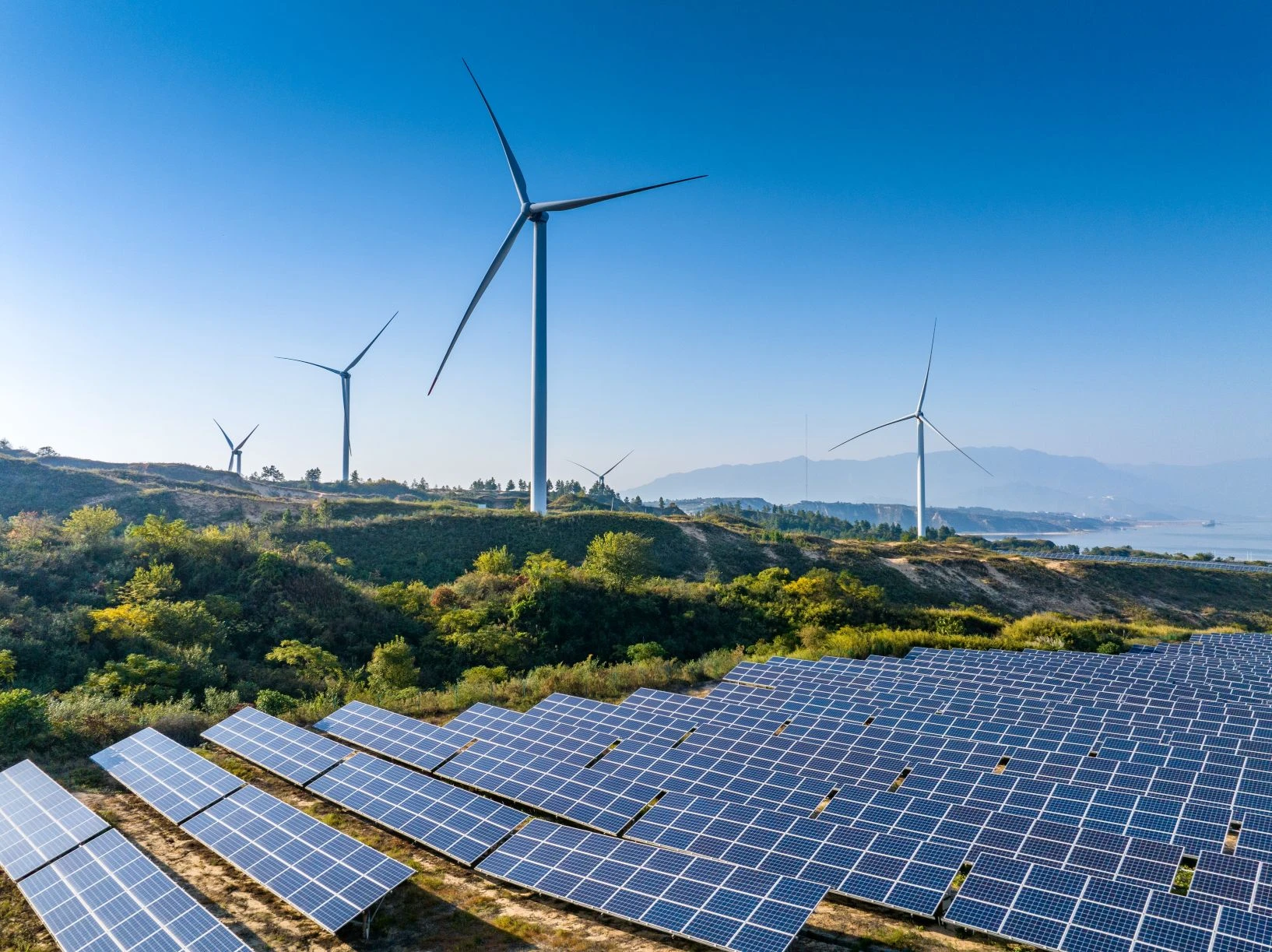
Every week I read about the next breakthrough that will save us. Direct air capture. Small modular reactors. Synthetic fuels made from sunlight and venture capital. And now the big one: artificial intelligence, which will optimise the grid, discover the new battery chemistry, design the perfect carbon removal molecule, and presumably also write the sustainability report explaining why it has not happened yet.
Europe is developing its own DARPA (The Defense Advanced Research Projects Agency)The Joint European Disruptive Initiative (JEDI) is the European advanced research projects initiative (European ARPA), with the mission to fund and develop the technological breakthroughs that will ensure Europe’s competitiveness and sovereignty.
This year alone, Amazon, Microsoft, Alphabet and Meta are planning to spend roughly 725 billion dollars on capital expenditure, most of it AI infrastructure, up 77 percent on last year. Seven hundred and twenty-five billion. In one year. From four companies.
That money is going into data centres that need their own power stations, and the power stations need gas, and the gas needs a pipeline, and the pipeline needs a bank, and the bank has a net zero commitment, which is framed, in reception, next to the orchid.
Meanwhile the one solution that costs nothing, requires no invention, needs no permitting, no grid connection and no Series B, sits on the shelf. Unfunded. Unloved. Unpitched.
Because you cannot pitch it. There is no deck for "don't."
We already ran the experiment
Here is the part that should embarrass everyone who says behaviour change is unrealistic.
In February 2022 Russia invaded Ukraine. Gas prices went through the roof, then through the roof of the building next door. Europe was told that without Russian gas the lights would go out, the factories would close, and grandmothers would freeze in their apartments while economists debated elasticity.
So what happened?
We used less.
The EU set a voluntary target to cut gas demand by 15 percent. Voluntary. Nobody was arrested. And Europe beat it. Between August 2022 and January 2025, EU gas demand fell by 17 percent, about 70 billion cubic metres a year. In 2023 it was 19 percent below the 2019 to 2021 average. Germany cut household gas use by 17 percent in one winter.
And how did households do it? Heroic sacrifice? Candles? Wool underpants distributed by the state?
Smart thermostat data suggests people turned the heating down by an average of about 0.6 degrees.
Zero point six. That is the difference between "cosy" and "cosy." That is not a sacrifice. That is a jumper.
Some of that drop was industry cutting output because it could not afford the gas, and I will not pretend that was painless. But the headline stands. A continent was told it could not live without a fuel, and within a winter it discovered it could live with a lot less of it. Nobody died of thermostat. The lights stayed on. Russia's share of our gas collapsed and the sky did not fall.
We proved, in real time, with real data, that demand is not a law of nature. Demand is a habit.
And then, as soon as prices came down, we went straight back to talking about carbon capture.
What we could stop doing
Let me go through the shopping list. Or rather, the not-shopping list.
The car. The average car is parked about 95 percent of the time. That is not a statistic from an activist. That is the US Department of Energy, which found household vehicles were driven for about 65 minutes a day in 2022 and parked for the rest.
We have built an entire civilisation around a machine whose main function is to sit outside. It is the most expensive lawn ornament in history. According to Nibud, even the smallest car in the Netherlands costs about 370 euros a month, and more than 200 of that is fixed costs you pay whether the thing moves or not. For a single person, that little car costs more each month than their groceries.
You are paying rent for a metal box to stand in the street. The box has a better parking spot than most people have housing.
The wardrobe. Go and open it. I will wait.
Between 2000 and 2015 global clothing production doubled, while the number of times a garment is worn before it is thrown away fell by 36 percent. Some clothes are discarded after seven to ten wears. The Ellen MacArthur Foundation calculates that every second, the equivalent of a rubbish truck full of textiles is landfilled or burned. Every second. There goes one. There goes another.
Sixty percent of Germans and Chinese admit they own more clothes than they need. The other forty percent are lying.
You have a shirt in there with the tag still on it. You bought it for an event that was cancelled, or an event that happened and you wore something else, or a version of yourself who was going to start going to events. That shirt is not clothing. That shirt is a small carbon monument to a person you never became.
The electronics. In 2022 the world generated 62 million tonnes of electronic waste, up 82 percent since 2010. Enough to fill a line of lorries bumper to bumper around the equator. Less than a quarter was properly recycled.
We now have toothbrushes with Bluetooth. We have fridges that send notifications. Somewhere there is a man whose kettle needs a software update, and he is waiting for it, because the kettle will not boil without the latest terms and conditions.
In every drawer in Europe there are three phone chargers for phones nobody owns anymore. They are breeding. I am fairly sure of this.
The meat. The UN's Food and Agriculture Organization puts livestock at about 14.5 percent of global greenhouse gas emissions, roughly the same as every car, lorry, ship and plane on earth combined. Animal agriculture and its feed occupy about 83 percent of the world's farmland.
I am not asking you to become a vegan who talks about it at parties. I am asking whether you need beef on a Tuesday. Nobody has ever lain on their deathbed saying "if only I had eaten more hamburgers."
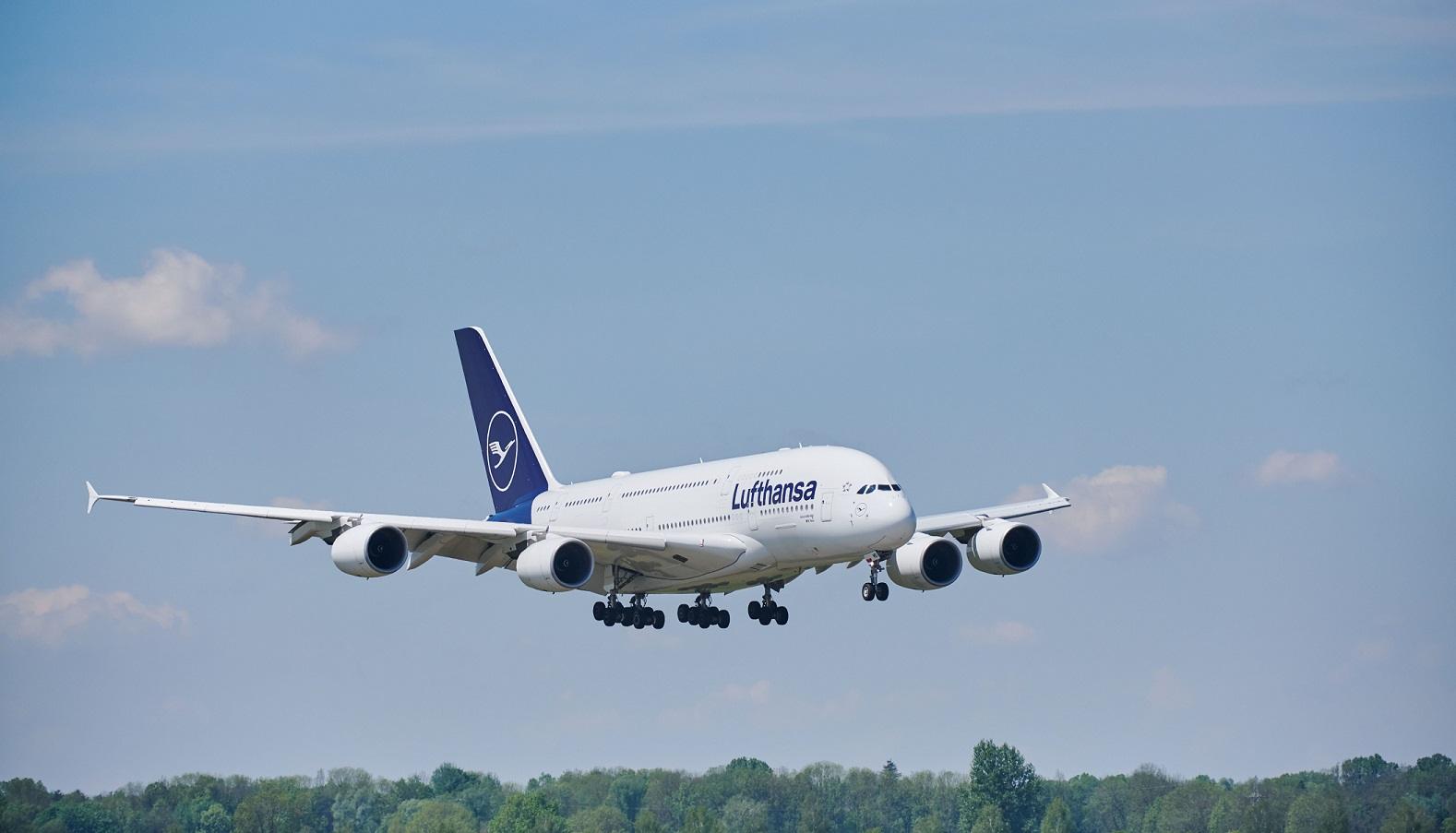
The flying. Research by Stefan Gössling found that around 1 percent of the world's population is responsible for roughly half of commercial aviation emissions. Not "people flying." A small, well-upholstered group of people flying constantly. Many of them to climate conferences.
I say this with love, because for twenty-five years I organised some of those conferences. I know exactly how many people flew to Geneva to agree that flying should be reduced. I printed their badges.
|