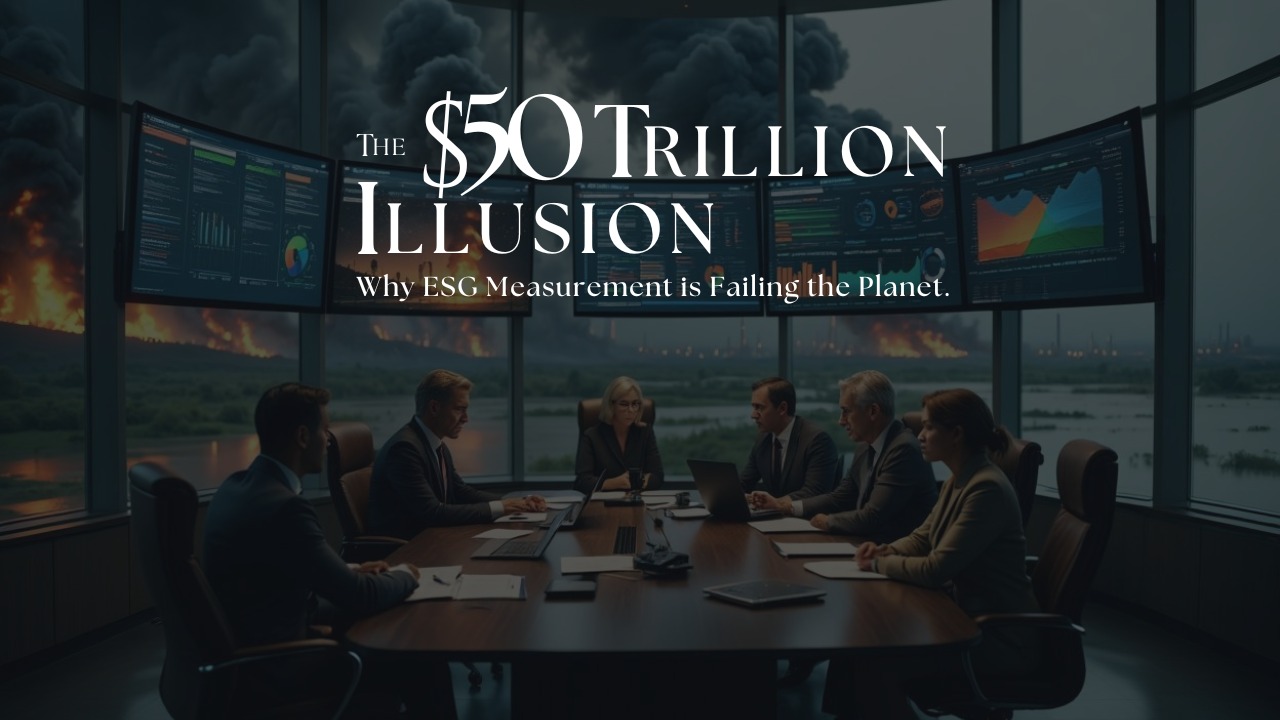
TBLI Weekly is out! $50 Trillion Illusion-Why ESG Measurement is Failing the Planet.
Tuesday, December 2, 2025
Author: Robert Rubinstein
Your weekly guide to Sustainable Investment
TBLI Radical Truth Podcast
TBLI Radical Truth: The Father of Carbon Trading—How Markets Finance Climate Solutions and Environmental Innovation
Welcome to TBLi Radical Truth Podcast, where knowledge inspires and we explore the pioneering financial innovations and market mechanisms driving climate action, carbon markets, and sustainable finance.
In this episode, we're joined by Dr. Richard L. Sandor, Chairman and CEO of Environmental Financial Products and the American Financial Exchange, universally recognized as the "Father of Financial Futures" and the "Father of Carbon Trading." Named by TIME Magazine as a "Hero of the Planet" in 2002 and "Hero of the Environment" in 2007, Dr. Sandor has spent over five decades inventing financial markets that transformed global environmental policy and climate finance. From developing the first interest rate futures contract at the Chicago Board of Trade in the 1970s to founding the Chicago Climate Exchange (CCX)—the world's first greenhouse gas emissions trading exchange—and the European Climate Exchange (ECX), Dr. Sandor pioneered the cap-and-trade systems that have become essential tools for carbon reduction, emissions trading, and climate mitigation worldwide.
In "The Father of Carbon Trading," Dr. Sandor reveals how properly designed carbon markets, environmental finance, and emissions trading systems can drive measurable climate impact while creating new asset classes for sustainable investing. He shares insights from his groundbreaking work on sulfur dioxide and nitrogen oxide trading programs that reduced acid rain, his role establishing carbon credit markets in China through the Tianjin Climate Exchange, and why transparent, well-regulated carbon pricing mechanisms deliver environmental benefits that exceed costs by factors of 30 to 1. As author of "Good Derivatives: A Story of Financial and Environmental Innovation" and "Sustainable Investing and Environmental Markets," Dr. Sandor demonstrates how financial innovation, ESG integration, and market-based solutions create the capital infrastructure needed to finance the global transition to net-zero emissions and climate resilience.
TBLi Radical Truth Podcast brings you conversations with visionary leaders in carbon finance, climate policy, emissions trading, and sustainable investment who are building the financial architecture for environmental solutions and climate action.
Let's begin our conversation with Dr. Richard L. Sandor on carbon markets, environmental finance, and the future of climate capitalism.
Don't miss the final TBLI Virtual Mixer of the year! 🥂
December 26th is your last chance in 2025 to strategically expand your network of impact investors and sustainable finance leaders before the new year's rush begins. Why attend this crucial year-end session?
Finalize 2026 Strategy: Connect with peers and potential partners to discuss trends, opportunities, and mandates for the coming year while the information is fresh.
Quality over Quantity: This is the TBLI difference—we offer real connections, with zero pitches. Spend your valuable time in genuine conversations, not sales presentations.
Low-Pressure Environment: The holidays are busy. Enjoy a high-value networking experience from the comfort of your home, designed to be relaxed and productive.
Close out the year strong by investing in your network!
The pitch deck only tells one story. TrustVC.org gives you the data on how fund managers actually treat founders—the real indicator of a trustworthy partner.
Spot red flags early, ensure accountability, and align your capital with the highest ethical standards.
The Future of Finance isn't a debate—it's being built. Are you building it?
While others talk sustainability, TBLI Circle members are executing breakthrough impact initiatives and shaping the new standards that define responsible finance.
Stop watching from the sidelines. Lead the transformation.
✅ Shape: The standards your competitors will follow. ✅ Execute: Breakthrough initiatives first.
This is an adaptation from the upcoming book, "Radical Truth-Financing Our Collapse, Funding Our Survival." Think your network needs to hear this? Share it. Let's start a real conversation.
ESG has become a fitness club where everyone shows their membership card, but never go to work out.”
Let the number fifty trillion dollars sink into your consciousness for a moment..
Fifty. Trillion. Dollars. That’s what Bloomberg and the financial cognoscenti claim is flowing into ESG (environmental, social and governance) investments.
And yet
if you’re looking around wondering why the planet still seems to be cooking itself like a forgotten Hot Pocket in the microwave of capitalism, why wealth inequality continues to expand , and why corporate malfeasance persists, we need to talk about the magnificent circus of delusion and self-congratulation that is ESG has become.
The Greatest Magic Trick in Finance
The financial world’s greatest trick was convincing people that checking boxes on a sustainability questionnaire somehow translates to actual environmental and social progress.
That, my friends, is essentially the logic of the current ESG measurement framework–a system so divorced from reality it makes Alice’s Wonderland look like a documentary.
Remember the 2008 financial crisis? Remember all those triple A rated mortgage-backed securities that turned out to be worthless ? The ESG measurement industry has taken that same rationale and applied it to saving the world. Only this time, instead of merely destroying the global economy, we’re gambling with the habitability of the entire planet. Talk about raising the stakes!
But I’m getting ahead of myself. Let’s back up and explain what ESG measurement is supposed to do, what it actually does, and why the gap between those two things is wide enough to drive Jeff Bezos’s ego through.
The Theory vs. The Practice
Nominally, ESG stands for Environmental, Social, and Governance – a holistic framework for evaluating a company’s impact beyond its financial performance. Revolutionary concept, right? Companies should be judged not just on how much money they make but on how they make it, and what they destroy in the process. I
The theory is beautiful. Measure what matters. Provide transparency. Create accountability. Reward good actors. Pressure bad ones to change.
In practice? It’s become a Byzantine labyrinth of metrics, standards, and frameworks that would make Kafka envious.
Let’s take a company–we’ll call it OilCorp to protect the guilty, though you can insert virtually any Fortune 500 name here. OilCorp extracts fossil fuels by the barrel. But they’ve installed LED lighting in their headquarters, put a couple of women on their board (who coincidentally ask the fewest questions), and published a 200 page sustainability report with an array of colorful graphs.
Result? OilCorp gets a stellar ESG rating because they’re “best in class” for their sector. Translation: they’re the most attractive horse in the glue factory.
Meanwhile, a small renewable energy company struggling to scale might get mediocre ratings because they haven’t resourced a team of twenty sustainability consultants to fill out the endless questionnaires with the right buzzwords. It’s like giving Olympic gold medals based on who fills out the entry form most eloquently rather than who actually runs the fastest.
The Measurement Industrial Complex
Now, let’s talk about these rating agencies–the high priests of the ESG religion who determine which companies get the sustainable gold star and which get sent to the corporate penalty box.
You’ve got your PRI, CDP, GRI, B Corp, Sustainalytics, MSCI, S&P, Ecovadis, World Benchmark Alliance, among an alphabet soup of entries. Each has their own proprietary methodology, their own questionnaires, their own scoring systems and their own way of slicing and dicing the data. A company can be an ESG saint according to one rater and a sinner according to another.
It is akin to your morality judged simultaneously by a Catholic priest, a Buddhist monk, a secular humanist, and your judgmental aunt Mildred – each using different criteria and none of them talking to each other.
This results in companies hiring armies of consultants not to actually improve their environmental and social performance but to game the ratings systems.
And here’s the kicker: many of these rating agencies are funded by the very companies they rate, creating blatant conflicts of interest. Others are owned by massive financial conglomerates that have their own ESG products to sell.
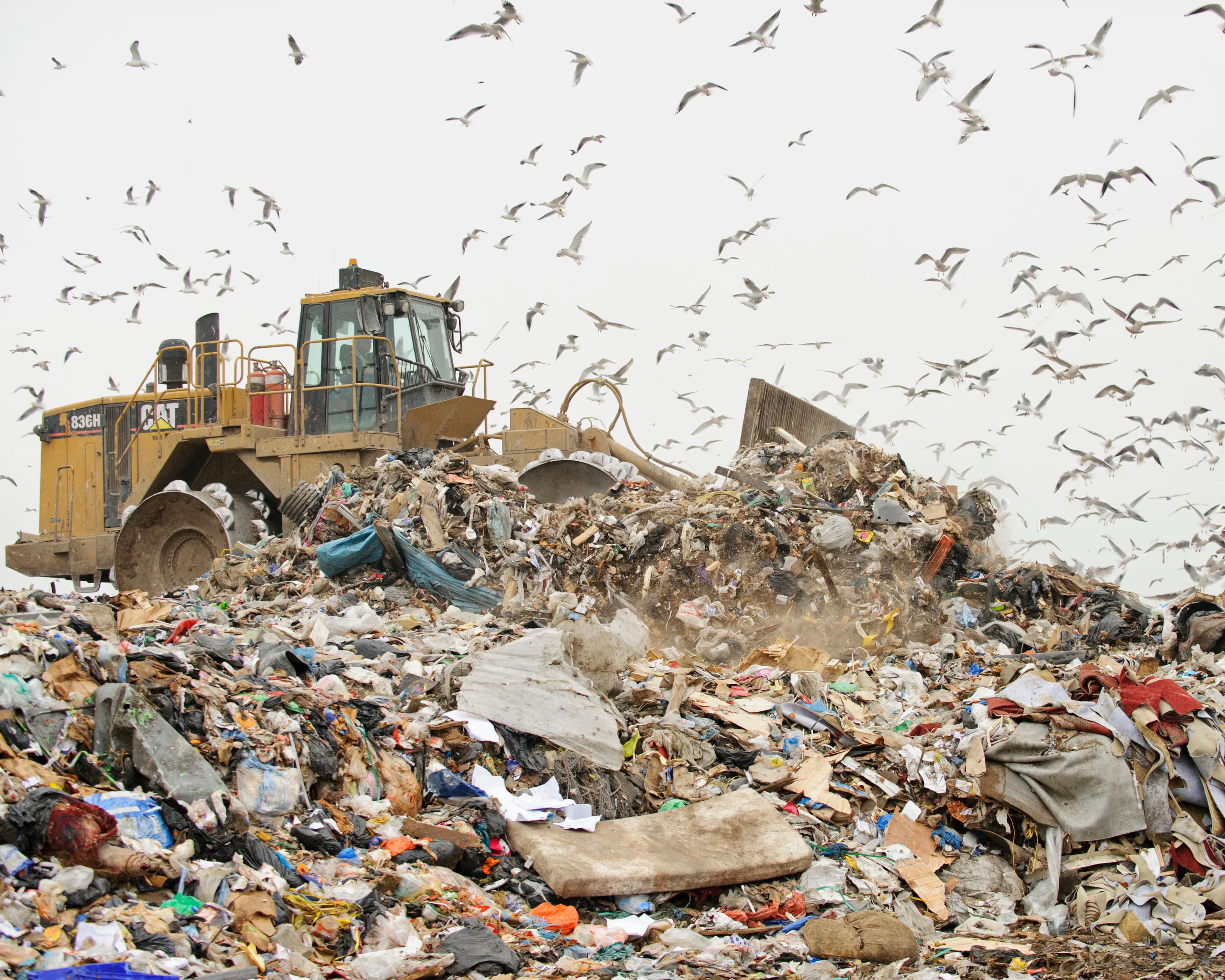
Thousands of landfills across the UK and Europe sit in floodplains, posing a potential threat to drinking water and conservation areas if toxic waste is released into rivers, soils and ecosystems, it can be revealed.
Patrick Byrne, of Liverpool John Moores University, said: “With increasing frequency and magnitudes of floods and erosion from climate change, there’s a greater risk of these wastes washing into our environment.
“This includes physical waste like plastics and building materials, but also toxic metals and chemicals such as Pfas [‘forever chemicals’] and PCBs [polychlorinated biphenyls].”
Kate Spencer, professor of environmental geochemistry at Queen Mary University, said: “We’ve identified wide-ranging wastes at an eroding coastal landfill [in Tilbury] including what looked like hospital blood bags, and we are talking about tens of thousands of sites that if they aren’t lined and are at flood risk, then there’s multiple ways for it to get into groundwater, surface water and the food chain.”
Across the EU there are estimated to be up to 500,000 landfills. Roughly 90% of them, including 22,000 sites in the UK, predate pollution control regulations such as landfill linings to prevent leaching. Modern landfills which are well managed are likely to pose a low risk.
More than 61,000 landfills have been identified across Europe, with 28% located in areas vulnerable to flooding. Modelling indicates the true number of flood‑risk sites could be as high as 140,000. This mapping effort, based on requests for landfill data from 10 countries and supplemented with open-source information, highlights a deeper issue: EU institutions lack centralised landfill records, while data from individual member states remains fragmented, inconsistent and often inaccessible.
“We have inadequate records, differences in ways of categorising these sites and that makes it really difficult to deal with,” said Spencer.
“It’s the worst possible scenario. Most landfills will be fine, but you only need a small number of sites which contain very toxic chemicals to be a problem. We just don’t know which ones.”
More than half of the mapped landfills are in areas where groundwater fails to meet chemical quality standards, suggesting the landfills may in some cases have contributed to the contamination.
The EU landfill directive, adopted in 1999, banned unlined landfills and created strict waste acceptance criteria. But before this there were few or no pollution containment measures.
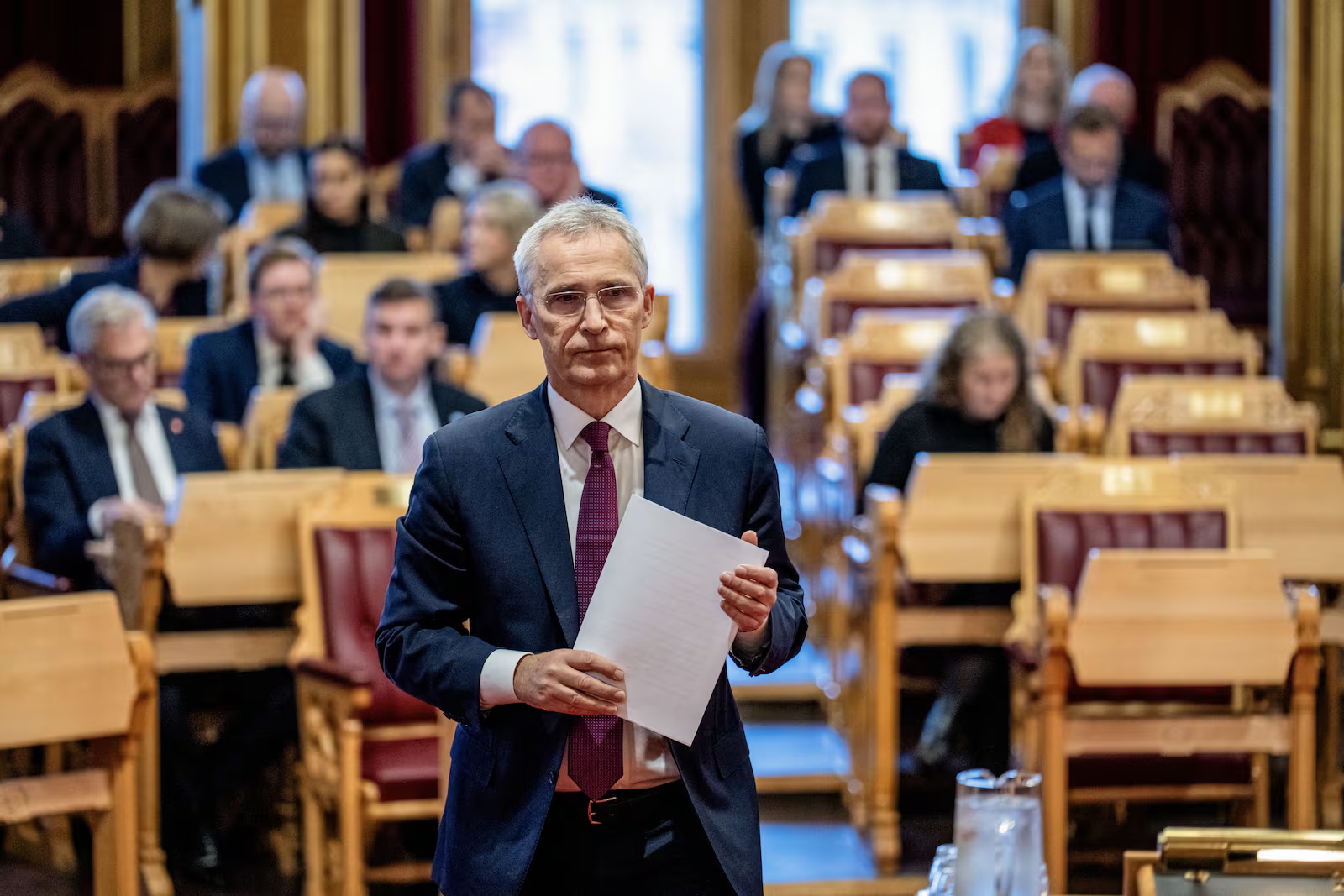
Jens Stoltenberg says move will avoid forced sale of shares in Amazon, Microsoft and Alphabet over their work for Israel
Norway's finance minister Jens Stoltenberg said that Norway has suspended its ethical investing rules to avoid its $2.1tn oil fund being forced to sell out of Amazon, Microsoft and Alphabet due to their work for the Israeli government. Photograph: Stian Lysberg/Getty Images
Richard Milne
Norway has suspended its ethical investing rules to avoid its $2.1 trillion (€1.8 trillion) oil fund being forced to sell out of Amazon, Microsoft and Alphabet due to their work for the Israeli government, according to its influential finance minister.
Jens Stoltenberg said that the US had publicly conveyed its concerns after the world’s largest sovereign wealth fund sold out of Caterpillar after its bulldozers were used in the Palestinian territories.
Norway’s centre-left government pushed an urgent proposal through parliament on Tuesday, putting the work of the independent ethics council on hold.
Mr Stoltenberg said the ethics council had planned soon to look into technology companies such as Amazon, Microsoft and Google owner Alphabet, as well as those on a UN blacklist issued in July.
• The bill would bar BlackRock and State Street from casting any shareholder votes tied to the $1 trillion Thrift Savings Plan, the retirement system for U.S. federal employees.
• The legislation expands ongoing Republican efforts to curb asset-manager participation in ESG and climate coalitions, amid lawsuits alleging antitrust violations tied to sustainability initiatives.
• The proposal comes as major U.S. asset managers scale back climate-related commitments and support for ESG shareholder resolutions.
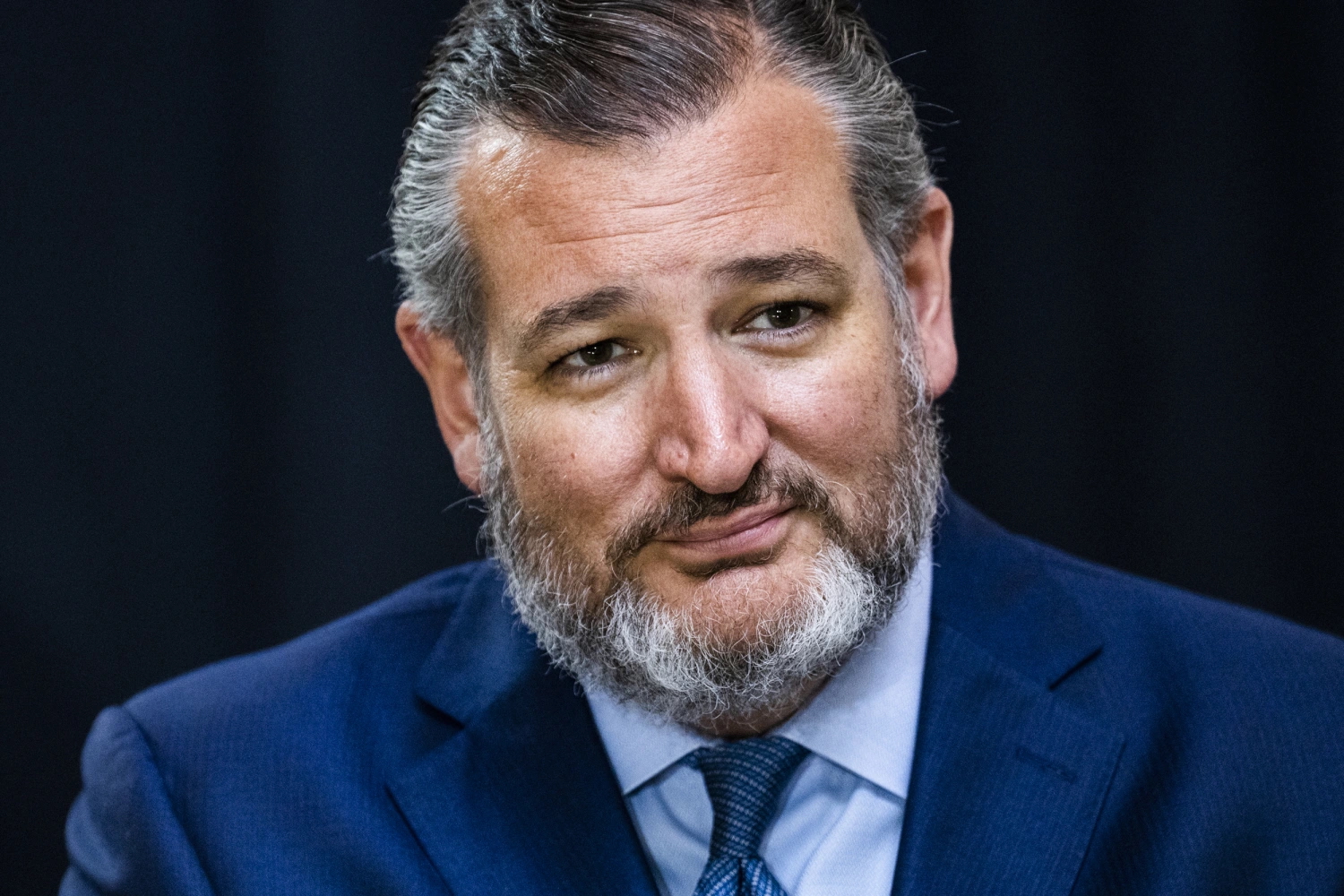
U.S. Senator Ted Cruz has introduced a bill aimed at stopping professional asset managers from voting the shares held in the federal Thrift Savings Plan, escalating a broader political fight over the role of Environmental, Social, and Governance considerations in public finance. The proposal, titled the Stop TSP ESG Act, seeks to prevent BlackRock and State Street from using proxy votes linked to the retirement savings of more than six million federal workers.
The Thrift Savings Plan, which recently surpassed $1 trillion in assets, is one of the largest defined contribution systems in the world. Its core mutual funds are managed chiefly by BlackRock Capital Advisers and State Street Global Advisors. These firms have long viewed proxy voting as part of their fiduciary stewardship responsibilities. Cruz argues the opposite, claiming the managers have used their positions to advance ESG and Diversity, Equity, and Inclusion agendas that he says fall outside prudent financial management.
“Americans deserve assurance that their retirement savings are being invested in the most fiscally responsible ways,” Cruz said in a statement. “Instead investment fund managers are using the retirement savings of federal employees to push ESG and DEI agendas that conflict with their investors’ interests. The Stop TSP ESG Act would end that practice and restore accountability, and I urge my colleagues to pass it expeditiously.”