




 .
. 
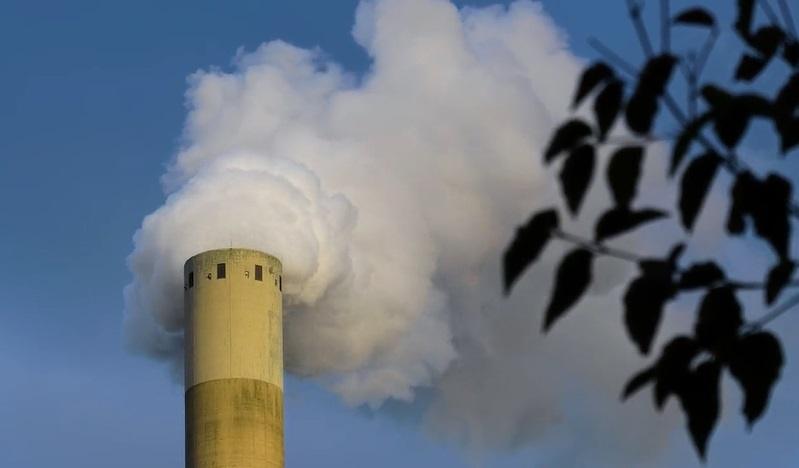

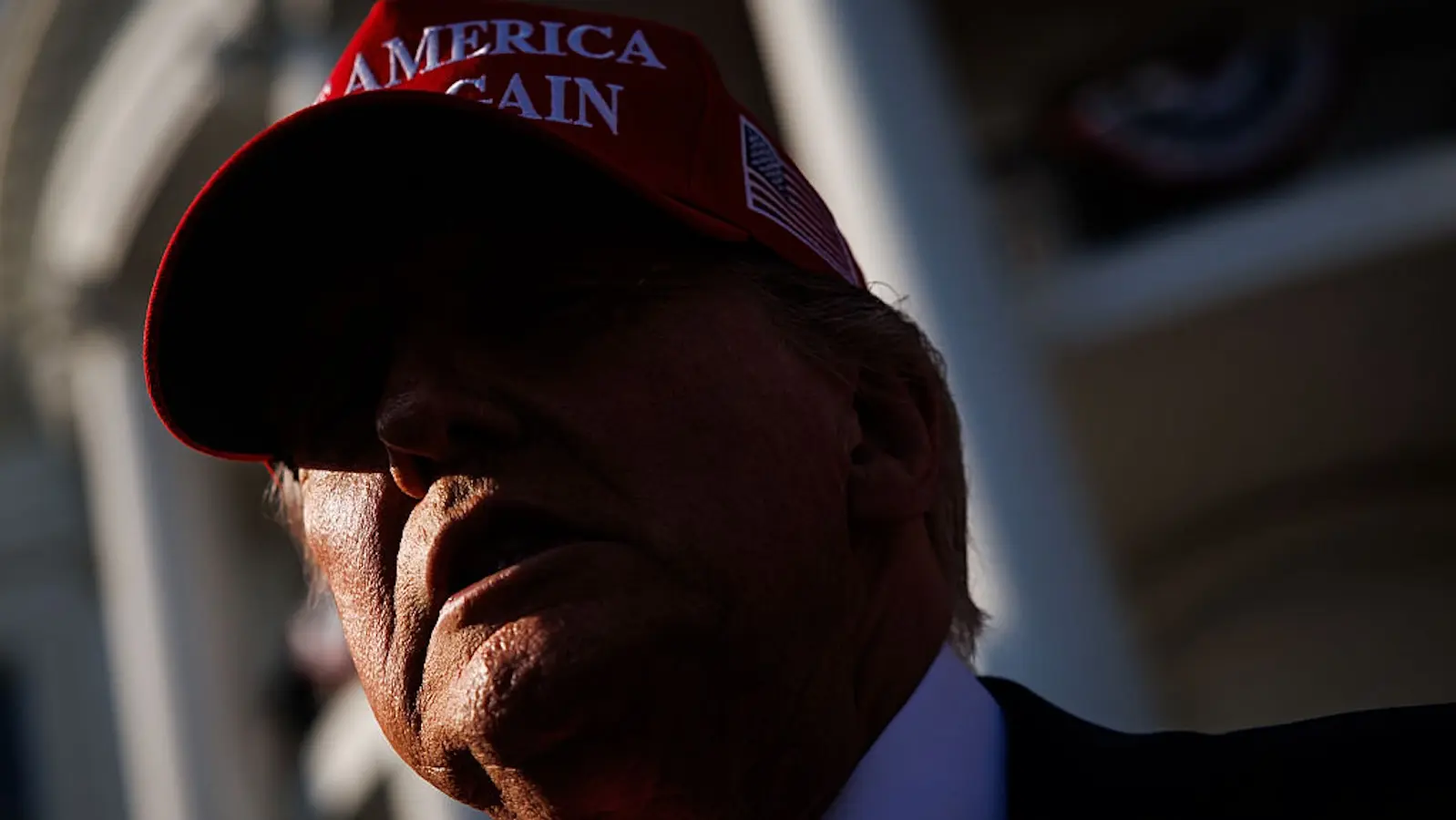
President Trump has spent much of his second term trying to reshape global politics, first through a series of tariffs and trade deals that began on what he termed “Liberation Day” last April. This year, he’s focused on changing the world through military force: After abducting the leader of Venezuela and blockading Cuba, last month the president launched an attack on Iran that has now spiraled into a regional war involving most of the Middle East.
Among many profound consequences, Trump’s military strikes could have dramatic effects on the world’s energy trajectory and climate change, though what those effects are remains to be seen. But well before Trump’s attention was consumed by deposing foreign leaders, the president devoted much of his foreign policy to much more directly undermining international progress on global warming: Top diplomats in the Trump administration have pressured other countries to sabotage major treaties on plastic production and shipping emissions, and they have fought to drop even the mention of climate change at international institutions like the United Nations and the International Energy Agency.
“It’s the greatest con job ever perpetrated on the world,” Trump said of climate change, speaking to world leaders at the United Nations General Assembly in September. “The entire globalist concept of asking successful industrialized nations to inflict pain on themselves and radically disrupt their entire societies must be rejected completely and totally, and it must be immediate.”
This bully-pulpit effort has already succeeded in stalling international agreements and shifting international focus away from the warming world. Even so, it’s far from clear that the administration will be able to alter the world’s energy transition in its preferred direction, cultivating dependence on American fossil fuels as the global standard. The United States might be able to sit out decarbonization, but other countries have strong economic and political incentives to act on climate change. Even a voice as loud as Trump’s may not deter them indefinitely. Just as the president’s efforts to kill renewable energy in the United States have faltered, his overseas efforts may have little staying power as well.
Here are the biggest changes Trump has tried to make to global climate action.
Killing a carbon tax
The Trump administration’s first major diplomatic action against climate change came last year, when it tried to derail a global carbon tax on the shipping industry, which accounts for about 3 percent of the world’s emissions. At the time, dozens of countries and industry representatives had coalesced around a framework that would require shippers to pay a fee per ton of greenhouse gas emissions. But the U.S. abruptly withdrew from the negotiations in April. It then threatened countries with retaliatory measures if they continued supporting the tax. Trump’s handpicked heads of the federal departments of State, Transportation, and Energy issued a joint statement warning that the U.S. would impose additional tariffs, visa restrictions, port fees, and sanctions on officials from countries that voted for the framework.
The coercion worked. In October, 57 countries effectively voted to delay a decision on the framework — even though just weeks earlier it seemed poised to pass unanimously. According to recent reporting from Politico, the Trump administration now appears to be preparing to sink the effort altogether. A State Department cable reviewed by the news organization says the U.S. is “strongly opposed” to a carbon fee on shipping, and “will not tolerate” the creation of a fund that uses tax revenue to reduce the industry’s emissions.
“The most appropriate path forward is to end consideration of the [net-zero framework] prior to moving to a new discussion,” the draft cable states.
Alisa Kreynes, a director of the ports and shipping program at C40, a global network of mayors taking climate action, said that countries will ultimately need to decide their vote based on their shared commitments to the United Nations charter, and “not in response to unfounded claims or intimidation tactics from individual member states.” Without a global carbon fee for shipping, the industry will need to navigate a patchwork of regulations. “This is why we need the adoption of the [net-zero] framework,” she said.